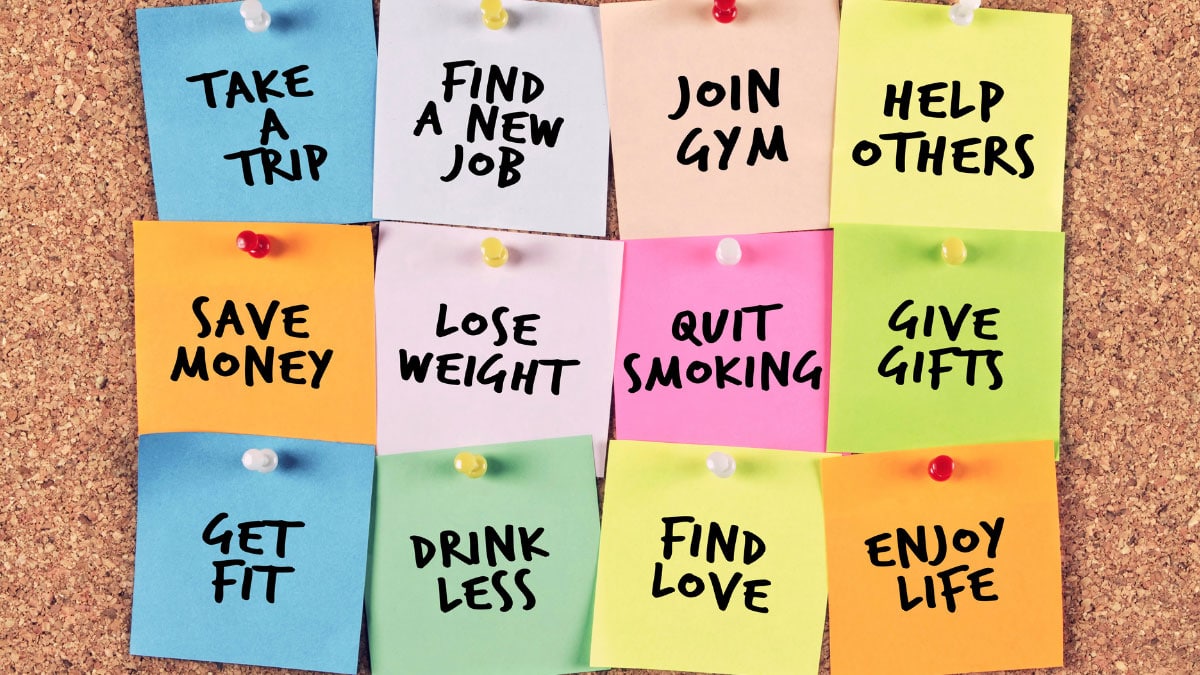
Why New Year’s Resolutions Aren’t the Problem (And How to Make Them Work for You)
Why New Year’s Resolutions Aren’t the Problem (And How to Make Them Work for You)
Every December, resolutions get a bad reputation. People say goals are pointless, discouraging, or destined to fail - so why bother?
From a behavior-analytic perspective, though, the problem isn’t goals.
It’s how we use them.
For many of us, goals have been shaped into something rigid, punitive, and aversive. They become ceilings instead of guides. When we “fail,” the experience feels punishing - and naturally, behavior that contacts punishment becomes less likely in the future.
But goals don’t have to function that way.
Goals Should Be Directions, Not Deadlines
Effective goals provide values-aligned direction for behavior. They help us orient toward what matters - health, connection, contribution, creativity - while still allowing flexibility. We can pivot, shape new behaviors, and adjust supports along the way.
When we choose committed actions toward our values (even tiny ones), our lives shift. That’s not pressure - it’s gentle guidance toward the life we actually want.
Reinforcement Drives Behavior (Not Willpower)
Behavior is strengthened by reinforcement - especially when reinforcement is:
Immediate
Salient
Certain
Many of us grew up learning that “rewarding ourselves” is indulgent or wrong. So resolutions become deprivation plans instead of reinforcement plans.
But rich, varied reinforcement is what makes goal-directed behavior sustainable. And reinforcement isn’t just treats - it can be:
rest
time with people you love
reading
creative time
gratitude for your body, your work, your growth
When I began pairing goals with meaningful reinforcement, the process felt different. I had something to look forward to. Over time, the external reinforcement faded but the intrinsic reinforcement (feeling capable, aligned, and proud) grew stronger.
That’s how shaping works.
In ABA, Goals Are Fluid - and Yours Should Be Too
In clinical Applied Behavior Analysis, we don’t wait for repeated failure before adjusting. If a learner struggles, we immediately change the environment:
add prompts or supports
change the task
modify expectations
increase reinforcement
We pivot because we understand behavior occurs in context.
If “go to the gym five days a week” feels daunting, change the contingencies:
go with a friend
hire a coach
choose a class you genuinely enjoy
reinforce showing up, not perfection
Same goal, better design.
Review Goals Often (Not Once a Year)
Behavior analysts regularly review programs:
Is this still meaningful?
Does it improve quality of life?
Is progress happening?
Do we need to fade supports - or add new ones?
Yet culturally, we set 332 goals on January 1st…then dust them off in December.
Instead:
👉 Keep goals visible.
👉 Revisit them regularly.
👉 Let them evolve as you do.
That’s not “quitting.” That’s responsible shaping.
Momentum Matters More Than Intensity
The principle of behavioral momentum tells us that success builds more success.
Instead of starting with the hardest task, we create strategic stepping stones. For example, if my long-term vision is healthier eating, momentum might look like:
1️⃣ Add protein so meals keep me full.
2️⃣ Increase hydration once that’s easy.
3️⃣ Practice eating mindfully when hunger shows up.
4️⃣ Gradually reduce added sugar.
Each step produces reinforcement - feeling better, more energy, greater control. The goal stops feeling like a burden and starts functioning like a path.
When We “Hate Goals,” Sometimes Beliefs Are in the Way
Here’s a harder truth: resentment toward goals sometimes comes from limiting beliefs we’ve reinforced over time.
Goals expose uncertainty. They reveal that learning includes missteps. If we connect our worth to instant perfection, any failure feels intolerable - so goals become aversive. Avoidance behavior makes sense in that context.
But learning without errors is impossible. Behavioral change includes approximations, shaping, and do-overs. That’s not failure - it’s the process.
Want a Healthier Relationship With Goals This Year? Try This:
Based on all of the above, here’s a behavior-analytic blueprint:
1️⃣ Align goals with values
Choose directions that matter to you - not what you think you “should” want.
2️⃣ Condition new reinforcers
Build pleasant outcomes into the process, not just the finish line.
3️⃣ Build momentum gradually
Start small, stack wins, and let success compound.
4️⃣ Add supports - don’t “tough it out”
Prompts, accountability, reminders, coaches, and peers all change the environment for success.
5️⃣ Review goals frequently
Ask: Is this still meaningful? Am I progressing? What needs adjusting?
6️⃣ Track behavior, not just outcomes
Resolutions aren’t accomplished all at once - they’re built behavior by behavior.
Behavior analysis doesn’t say “set resolutions or else.”
It says: design your environment so the behaviors that lead to your values are easier, reinforced, and flexible.
And when resolutions are built that way?
They stop being something to hate and start becoming tools for shaping a life you actually want.
What are your new year's resolutions?
